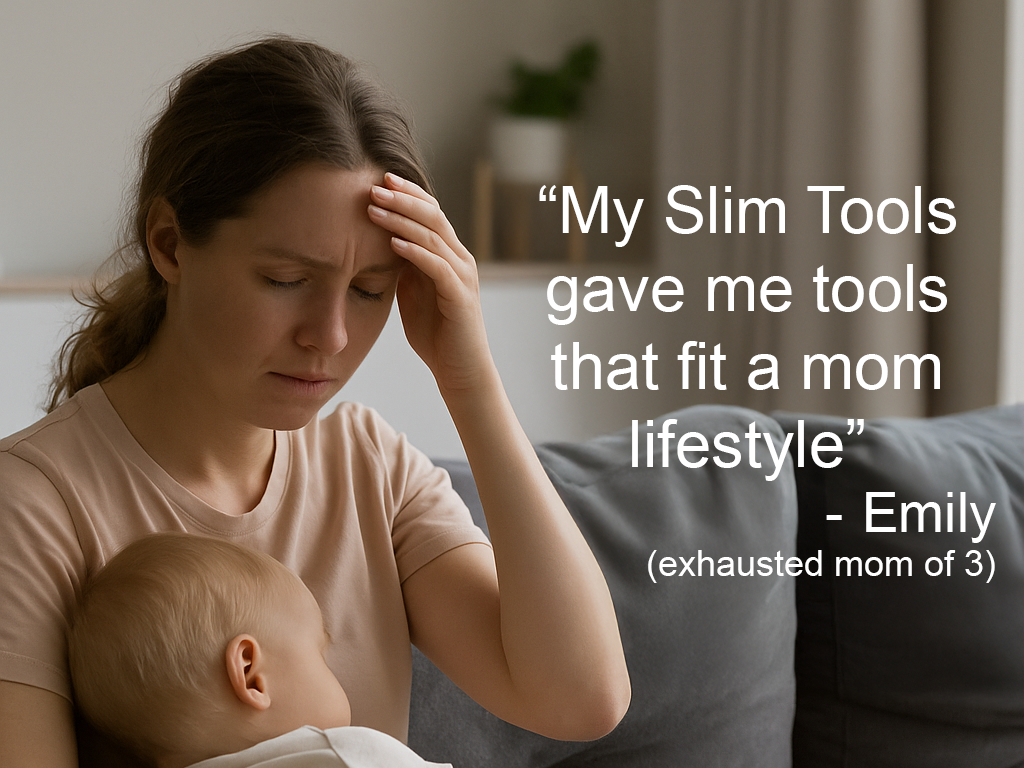

If you are a mom of little ones and feel like your life is fueled by laundry, caffeine, and scattered Cheerios, this story is for you. 🍼☕🍪
My name is Emily, and I am a stay-at-home mom with three children under six, two of whom are still in diapers. Most days used to feel like a blur. I was unsure of the time, uncertain about the last thing I ate, and often questioning whether I had even brushed my teeth. With my husband working long hours, I held down the chaos at home with nothing more than baby wipes and a half-charged phone.
The Fog That Consumed My Days
My life felt like a continuous loop of survival. The moment little feet hit the floor at 6:00 a.m., the cycle began, diapers, dishes, tantrums, breastfeeding, snack demands, and repeat. My nights were not any better. I would wake up around 2:00 a.m., shuffle to the bathroom, and inevitably wander into the kitchen for a midnight snack I did not need. That snack usually led to endless scrolling on my phone. “Just a few minutes” often turned into an hour or more. 📱
The lack of sleep drained my energy, fueled my weight gain, and worsened my moods. Looking in the mirror became discouraging. I felt stuck, exhausted, and hopeless. Insufficient sleep is associated with higher energy intake and weight gain, so the pattern made sense in hindsight.45
A Typical Day in the Old Routine
Before I discovered My Slim Tools, my days looked like this:
- 6:00 a.m.: Wake up to toddler feet running into the bedroom. Grab coffee and a handful of cereal from my kids’ bowls instead of a balanced breakfast.
- 9:00 a.m.: Snack on leftover muffins or granola bars while folding laundry.
- 12:00 p.m.: Lunch is usually the kids’ leftovers, half a sandwich, some fruit, and chips, without any thought to protein or portions.
- 3:00 p.m.: Energy crash. I reach for more coffee plus whatever snack is in the pantry, cookies, crackers, or cheese sticks.
- 6:30 p.m.: Family dinner. Usually pasta or kid-friendly meals. I rarely considered my own portion sizes or macro balance.
- 9:00 p.m.: Finally sit down, exhausted. Instead of winding down, I scroll my phone while eating more snacks. 🍫
- 2:00 a.m.: Wake up to use the bathroom, then wander into the kitchen for another “midnight snack,” which keeps me awake even longer.
This cycle left me drained, frustrated, and feeling like I had no control over my health. Energy balance matters, and the late-night nibbling was pushing me beyond what my body needed each day.1
The Night I Discovered a Lifeline
One sleepless night at 2:43 a.m., I searched “why do I eat snacks at night when I am not hungry?” That search led me to the free Calorie Deficit Calculator. No login, no friction. I entered my age, weight, height, and activity level, which I labeled as “chasing toddlers.”
The number I received was realistic. It was not restrictive, it did not make me feel guilty, and it gave me a path forward. It felt like someone had finally handed me a flashlight in the fog. 🔦 Understanding a practical daily calorie target helped me reconnect choices to outcomes in a way that felt doable rather than punishing.1
Macros Made Simple, Even for Sleep-Deprived Moms
Afterward, I opened the Macro Split Calculator. It showed how much protein, fat, and carbohydrates to aim for daily. I learned two important truths:
- I had been eating like my toddlers, snacky and carb heavy, without enough protein for satiety.
- I needed more protein to stay full, stable, and strong, which supports appetite control and weight management.23
Today I start with a protein first mindset. I batch cook hard boiled eggs, throw chicken in the crockpot, and add a scoop of protein powder to my afternoon smoothie, or occasionally my coffee. ☕💪 These simple changes reduced grazing, stabilized energy, and made it easier to be patient with my kids.23
My “Before” Day, A Sample That Felt Like Survival
Here is a clearer picture of that earlier season, not as advice, simply as a snapshot many moms may recognize:
- Wake up: Coffee first, then nibble on kids’ cereal or leftover pastry. No protein, no plan.
- Morning: Quick bites between chores, granola bar, pretzels, or fruit snacks.
- Lunch: Crusts from grilled cheese, a few apple slices, a handful of chips.
- Afternoon: Another coffee to fight the slump, cookies or crackers to cope with stress.
- Dinner: Family pasta night, heavy on noodles, light on lean protein and vegetables.
- Evening: Couch, phone, and candy. Minimal water, minimal sleep.
- After midnight: Bathroom trip, then kitchen detour, more empty calories, more lost sleep.45
My “After” Day, Simple Habits That Give Me Control
This is a typical day now. It is not perfect, it is powerful and consistent.
- 6:00 a.m., Wake up routine: Drink a full glass of water, do a quick two minute stretch, then prepare breakfast for everyone. My plate, three scrambled eggs with spinach and a little cheese, plus a slice of whole grain toast. The protein base steadies appetite for hours.2
- 9:00 a.m., Smart snack: Greek yogurt with berries and a small sprinkle of granola, or cottage cheese with pineapple.
- 12:00 p.m., Lunch: Chicken and veggie wrap with hummus, or a big salad with rotisserie chicken, avocado, and vinaigrette. Portion mindful, not restrictive.1
- 3:00 p.m., Energy guard: Protein smoothie, banana, protein powder, almond milk, a spoon of peanut butter. This replaces the cookie crash pattern.
- 6:30 p.m., Family dinner: Baked salmon or crockpot chicken, roasted sweet potatoes, steamed broccoli. The kids can add rice or nuggets if they need a bridge on picky days.
- 8:30 p.m., Wind down: Kitchen reset, lunches prepped, herbal tea, short journal note, lights dimmed.
- 10:00 p.m., Sleep: In bed on time. Protecting sleep supports appetite hormones and decision quality the next day.45
Two Sample Meal Plans You Can Copy This Week
Use these as templates, then personalize with the TDEE Calculator for daily energy needs and the Macro Split Calculator for a protein forward ratio. Adjust portions to align with your calorie target and hunger signals.12
Template Day One
- Breakfast: Scrambled eggs with spinach and tomatoes, one slice whole grain toast, and coffee with milk.
- Snack: Greek yogurt with blueberries.
- Lunch: Turkey, avocado, and hummus wrap, side of carrot sticks.
- Snack: Protein smoothie, banana, almond milk, scoop of protein powder.
- Dinner: Baked salmon, roasted sweet potatoes, steamed broccoli.
- Evening: Herbal tea and lights out routine.
Template Day Two
- Breakfast: Cottage cheese bowl with pineapple and chia seeds, plus coffee.
- Snack: Apple with peanut butter.
- Lunch: Chicken salad on mixed greens, cucumber, cherry tomatoes, dressing to taste.
- Snack: Hard boiled eggs, two, and a handful of grapes.
- Dinner: Crockpot shredded chicken tacos, corn or whole wheat tortillas, cabbage slaw, salsa, and a lime squeeze.
- Evening: Chamomile tea, short stretch, screens off.
💡 Substitutions: Dairy free, use coconut yogurt or soy yogurt; gluten free, choose corn tortillas and gluten free bread; vegetarian, swap chicken or salmon for tofu or tempeh, and adjust with the Macro Split Calculator to maintain protein targets.2
Results That Keep Me Going
Since making these changes:
- I sleep more consistently through the night.
- My midnight snacking has nearly disappeared.
- I have more patience with my kids because I am not on a constant blood sugar rollercoaster.
- I lost 11 pounds in two months.
- My clothes fit better, my brain feels clearer, and I finally feel hopeful again. 🌟
Five Tiny Habits That Made the Biggest Difference
- Protein first at breakfast: Satiety up, grazing down.23
- Planned afternoon smoothie: Prevents the 3 p.m. crash that used to lead to cookies.
- Kitchen closed by 8:30 p.m.: Tea ritual replaces snacking.
- Ten minute nightly reset: Lunches prepped and counters cleared, fewer morning excuses.
- Phone bedtime: Screens off thirty minutes before sleep for better rest and better decisions tomorrow.4
Why I Recommend My Slim Tools to Every Mom I Know
My Slim Tools is not selling you a detox tea, a bootcamp, or an impossible dream. It is a simple, science aligned set of calculators that fit a mom’s real life. You do not need another complicated app or a rigid diet. You need clarity, guidance, and a plan that gives you power back.

- TDEE Calculator: Find out how many calories you burn each day.
- Calorie Deficit Calculator: Discover how many calories to eat to lose weight.
- Macro Split Calculator: Dial in the right macro ratio for your goals.
- Goal Weight Timeline Estimator: See how long it may take to reach your target weight.
Even if your toddler is rubbing peanut butter on your couch, remember this, you deserve to feel good in your body. Not later. Now. 💖
Emily R.
Full-time mom, part-time midnight snacker in recovery
Frequently Asked Questions
1. How do I know if I am eating enough protein?
Use the Macro Split Calculator to determine a daily target. Many parents discover that boosting protein at breakfast and lunch reduces cravings later.23
2. What if I am not trying to lose weight, only to feel more energetic?
Start with the TDEE Calculator to estimate maintenance calories. Match your meals to that level and prioritize sleep and hydration for steady energy.15
3. Can I use these tools if I am breastfeeding?
Yes, but consult your healthcare provider. Many breastfeeding moms add a modest calorie buffer above maintenance while keeping protein consistent for satiety and recovery.2
4. What if I do not have time to meal prep?
Start small. Boil a dozen eggs, use a rotisserie chicken, or add protein powder to a smoothie. Tiny changes stack up and are easier to sustain.2
5. How quickly will I see results?
Many parents notice better sleep and steadier energy within two to three weeks, while body composition changes arrive with consistent habits over time.14
References
- Hall, Kevin D., Steven B. Heymsfield, Joseph W. Kemnitz, Samuel Klein, Dale A. Schoeller, and John R. Speakman. “Energy Balance and Its Components: Implications for Body Weight Regulation.” The American Journal of Clinical Nutrition 95, no. 4, 2012, 989–994. Read Study
- Leidy, Heather J., et al. “The Role of Protein in Weight Loss and Maintenance.” The American Journal of Clinical Nutrition 101, no. 6, 2015, 1320S–1329S. Read Study
- Wycherley, Thomas P., Lisa J. Moran, Peter M. Clifton, Manny Noakes, and Grant D. Brinkworth. “Effects of Energy Restricted High Protein, Low Fat Compared with Standard Protein, Low Fat Diets: A Meta Analysis of Randomized Controlled Trials.” The American Journal of Clinical Nutrition 96, no. 6, 2012, 1281–1298. Read Study
- Patel, Sanjay R., and Frank B. Hu. “Short Sleep Duration and Weight Gain: A Systematic Review.” Obesity 16, no. 3, 2008, 643–653. Read Study
- Chaput, Jean Philippe. “Insufficient Sleep as a Contributor to Weight Gain: An Update.” Current Obesity Reports 1, 2012, 245–256. Read Study

Julia is a nutrition writer, recipe developer, and managing editor at My Slim Tools with a focus on sustainable fat loss, metabolic health, and performance nutrition for everyday life. She synthesizes findings from peer-reviewed research, position statements from professional organizations, and expert interviews to create practical guides that are easy to follow. Julia leads the site’s recipe testing and macro verification workflow, collaborates with Registered Dietitians on content outlines and reviews, and maintains an internal style guide for accuracy, citations, and transparency. Her approach combines high-protein cooking, fiber-forward meals, and mindset training so readers can build consistent habits that last. Julia believes better results come from clear choices, supportive routines, and food that people actually enjoy.
Fuel with intention, not perfection; small consistent choices create lasting energy.