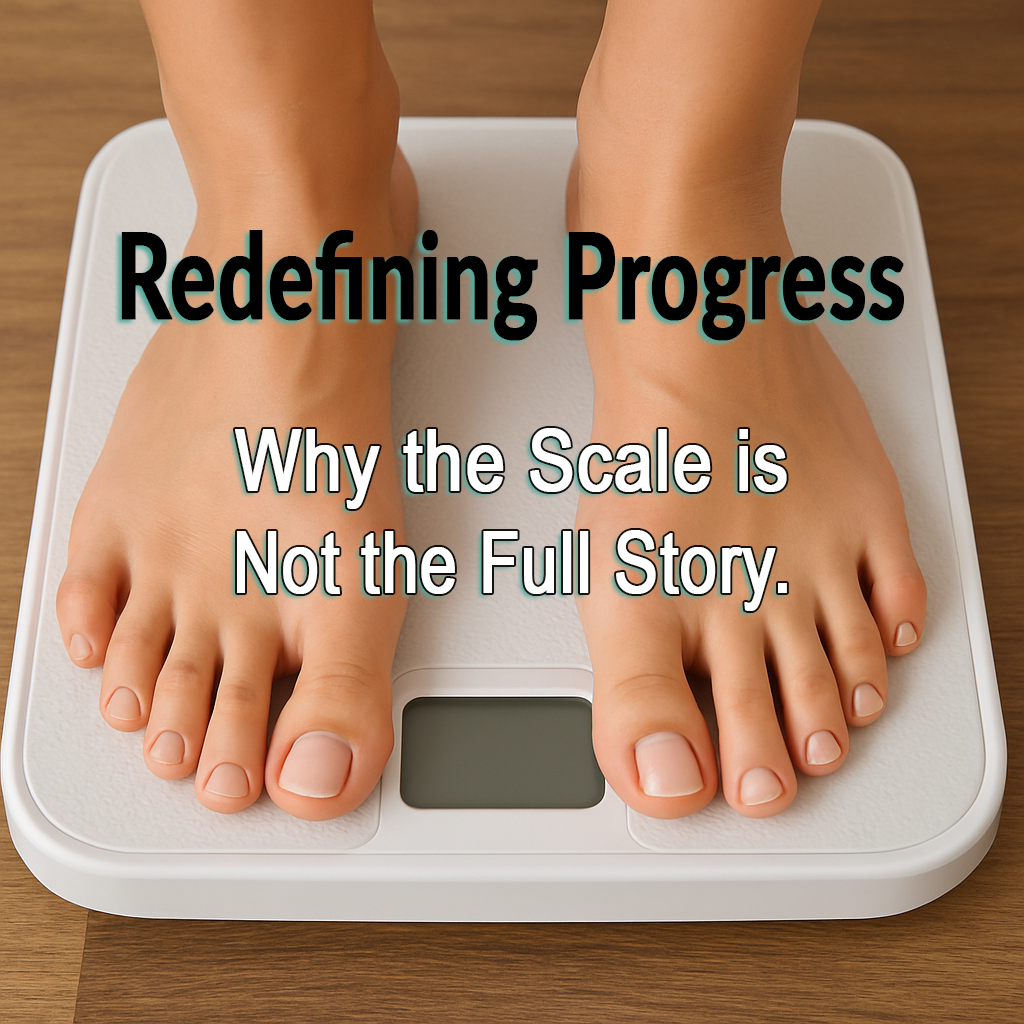
Introduction: You Are More Than a Number If you have ever stepped on a scale and watched a single number dictate your mood for the day, you are not alone. Many women discover that the scale can feel like a verdict rather than a tool. Yet weight is only one piece of a much bigger picture that includes body composition, metabolic health, energy, strength, sleep quality, stress resilience, and sustainable habits. The purpose of this guide is to help you reframe progress, to focus on outcomes that truly matter for your health and confidence. When you measure what matters, you unlock momentum that a scale can never capture.1
At My Slim Tools, we teach a numbers first, life first approach. Numbers provide clarity, your life provides the context. You can use calculators to set a smart calorie target, then measure progress with powerful non scale indicators like waist to height ratio, strength milestones, habit streaks, and sleep consistency.26
The Scale’s Blind Spots: What That Number Does Not Show
Body composition versus body weight. The scale lumps muscle, fat, water, glycogen, and the contents of your digestive tract into one reading. You can lose fat, gain lean mass, and hold extra water on the same day, and the scale may not budge. This is why a strictly scale based goal can feel discouraging even when you are getting leaner and stronger. Muscle and fat have different metabolic implications, yet the scale cannot tell them apart.34
Normal day to day fluctuations. Weight can shift quickly with sodium intake, bowel contents, menstrual cycle related fluid changes, and especially glycogen storage, since stored glycogen binds water in muscle. Short term changes of one to two percent are common, which means that a two pound swing for a one hundred and fifty pound person may say more about water than fat.5
Strength and fitness do not register on a scale. When you progress from bodyweight squats to goblet squats, when you complete your first pushup, when you walk farther without getting winded, those victories change your life. A scale cannot weigh your endurance, your grip strength, or your confidence. Resistance training in particular can reshape your body and your health even when the scale changes slowly.47
What Real Progress Looks Like: A Women First Scorecard

Use this scorecard to measure improvements that align with health, performance, and joy. Track weekly, celebrate monthly, and let the scale be only one small input among many.
- Waist to height ratio: Aim to keep your waist circumference less than half your height, this metric is strongly linked with cardiometabolic risk and often changes before body weight does.2
- Habit streaks: Protein first at breakfast, vegetable at every main meal, two short walks daily, kitchen closed by 8:30 p.m., three strength sessions per week. Consistency compounds.68
- Energy and focus: Fewer afternoon crashes, steadier concentration, less reliance on caffeine. Protein and fiber help, water helps, sleep helps.69
- Performance: More reps with the same weight, slightly heavier weights with the same reps, faster walking pace at the same heart rate, an extra flight of stairs without stopping.7
- Sleep and stress: More nights of seven hours or more, a wind down routine you can repeat, better stress coping that does not rely on snacking. Sleep quality supports appetite regulation and better choices tomorrow.910
Four Trackers That Work Better Than a Daily Weigh In
One, a simple tape measure. Measure waist at the level of the navel, hip at the widest part, thigh at mid point. Re measure every two to four weeks. Many women see centimeters drop even when the scale pauses because resistance training improves the ratio of muscle to fat.4
Two, a strength log. Record the exercises, the sets, the reps, and the loads. Note one small performance goal for the week such as two more total reps on goblet squats. Strength progress is among the clearest signs you are fueling and training well.7
Three, a habit tracker. Check off protein at breakfast, vegetables at lunch and dinner, two mini walks, water bottle filled and finished, screens down thirty minutes before bed. Self monitoring increases adherence in a way that does not require perfection.8
Four, a monthly numbers check in, not a daily obsession. Recalculate your calorie target and macro split as your body changes. Use a modest, sustainable calorie deficit rather than an aggressive slash and crash approach, then let your habits do the heavy lifting.16
Your Numbers, Your Plan: How to Use the My Slim Tools Suite
Numbers are powerful when they are simple, personal, and actionable. Start here:
- 🎯 TDEE Calculator: Find Out How Many Calories You Burn Each Day. Establish your baseline so you do not guess. This gives you the maintenance level from which all plans begin.1
- 🧮 Calorie Deficit Calculator: Find Out How Many Calories You Should Eat to Lose Weight. Choose a moderate deficit so adherence stays high. Most progress comes from consistent execution, not extreme restriction.6
- 🍗 Macro Split Calculator: Find the Right Macronutrient Ratio for Your Goals. Prioritize protein to support satiety and lean mass, then fit carbs and fats to preference. Protein forward diets improve appetite control and body composition during weight loss.6
- 📅 Goal Weight Timeline Estimator: See How Long It Will Take to Reach Your Target Weight. Visualize the runway, then be patient. Time is a tool when you expect plateaus and keep going anyway.1
Protein First: The Habit That Makes Everything Easier
Women are often told to eat less, not to eat smarter. A protein first approach changes that story. Begin breakfast with twenty to thirty grams of high quality protein, such as eggs, Greek yogurt, cottage cheese, or tofu scramble. Add a fruit or whole grain for energy, and a vegetable for volume and micronutrients. Higher protein intakes during energy restriction help preserve lean mass and reduce hunger, which supports adherence and long term success.6
Sample breakfasts you can rotate: Greek yogurt parfait with berries and chia; egg and veggie scramble with a slice of whole grain toast; cottage cheese with pineapple and a handful of walnuts; tofu scramble with peppers and spinach wrapped in a corn tortilla. Keep it simple, repeatable, and tasty. Simplicity is a compliance superpower.6
Move More Without More Willpower: NEAT, Walks, and Two Days of Strength
You do not need marathon workouts to see meaningful change. Non exercise activity thermogenesis, also called NEAT, is the energy you expend outside of formal exercise. Short walks, extra steps around the kitchen as you meal prep, light yardwork, and standing breaks can add significant daily energy expenditure with far less stress than maximal training. Combine NEAT with two simple full body strength sessions per week and you will reshape your health curve over time.711
- Weekly minimums that work: two thirty to forty minute strength sessions, plus regular walks that reach a total of one hundred and fifty minutes of moderate activity across the week. Add a few short movement snacks on busy days, two to five minutes counts.11
- Beginner friendly strength template: squat pattern, hinge pattern, push, pull, and a carry or core finisher. Two sets of eight to twelve repetitions to start. Progress slowly and enjoy the learning curve.7
Sleep and Stress: The Hidden Drivers That Change Your Appetite
Short sleep is consistently linked with greater energy intake, higher snack frequency, and weight gain. Stress related cortisol patterns also correlate with central fat distribution. Protecting sleep and using simple stress regulation practices are not luxuries, they are performance tools for your plan.910
- Wind down routine: kitchen closed by 8:30 p.m., lights dim, a warm shower, a five minute journal, then screens off. Small rituals tell your nervous system that the day is complete.9
- Two minute reset: box breathing, a quiet walk to the mailbox, or a short body scan. When stress rises, reduce intensity rather than white knuckling. Less friction equals better adherence.10
A Monthly Check In That Respects Your Biology
Many women feel discouraged by week to week weight swings. Instead of judging a single morning, judge the pattern. Use four data types at the same time, then recalibrate monthly.
- Average weekly weight: weigh three mornings per week after using the restroom, average those numbers for a smoother picture of trend while acknowledging normal water shifts from sodium, glycogen, and hydration changes.5
- Waist to height ratio: a waist below half your height is a helpful marker of improved risk profile, and it often improves before the scale shows large changes.2
- Strength log highlights: pick two lifts or movements and track progress monthly. More reps or a little more weight equals progress, period.7
- Habit streak score: count how many days you hit protein at breakfast, vegetables at lunch and dinner, a walk, and a wind down. A streak of fifty to seventy percent across a month often beats a perfect week followed by burnout.8
Then update your calculators with your current weight and activity. Adjust your target gently, continue the plan, and let time work for you. Progress is a process, not a single weigh in.1
Common Pitfalls to Avoid
- Slashing calories too hard: adherence drops, energy drops, training quality drops. Choose a moderate deficit and let habits do the work.6
- Ignoring protein: under eating protein often leads to more hunger and less lean mass retention.6
- Judging progress only by a single morning weigh in: use averaged trends, tape measures, and your strength log for a more complete picture.25
- All or nothing thinking: perfection is fragile. Choose consistency that fits your real life.8
Your Next Best Step, Start Here
- 🎯 TDEE Calculator: Find Out How Many Calories You Burn Each Day
- 🧮 Calorie Deficit Calculator: Find Out How Many Calories You Should Eat to Lose Weight
- 🍗 Macro Split Calculator: Find the Right Macronutrient Ratio for Your Goals
- 📅 Goal Weight Timeline Estimator: See How Long It Will Take to Reach Your Target Weight
Your body is not a math problem, it is a living system, and you deserve a plan that respects that truth. Use numbers to light the path, then celebrate the wins that a scale cannot see. You are allowed to be strong, nourished, and patient. You are allowed to play the long game. 🌟
Frequently Asked Questions
1. If the scale stalls, how do I know I am still making progress
Look for a shrinking waist to height ratio, better strength numbers, and steadier energy. Re average your last two weeks of weigh ins rather than reacting to a single day. Update your calorie and macro targets monthly, not daily.25
2. How much protein should I eat
Use the Macro Split Calculator to personalize your daily target. Many women benefit from a protein first breakfast in the range of twenty to thirty grams, since higher protein supports fullness and lean mass during energy restriction.6
3. Do I have to lift heavy weights to change my body composition
You can start with simple full body sessions two days per week, using bodyweight and light dumbbells. Focus on squats, hinges, pushes, and pulls. Increase reps or load slowly. Consistency matters more than heavy loads at the start.7
4. Why does my weight jump after a salty meal
Sodium can increase water retention, and stored muscle glycogen binds water. These shifts affect scale weight without reflecting fat gain. Return to normal habits and the number will normalize within a few days.5
5. How can I move more if I am busy
Use NEAT, the small activities outside of formal workouts. Add short walks, take stairs, pace during calls, and stand during emails. Add two strength sessions per week to protect lean mass and improve function.711
References
- Hall, Kevin D., Steven B. Heymsfield, Joseph W. Kemnitz, Samuel Klein, Dale A. Schoeller, and John R. Speakman. “Energy Balance and Its Components: Implications for Body Weight Regulation.” The American Journal of Clinical Nutrition 95, no. 4, 2012, 989–994. Read Study
- Browning, Lucy M., Shigeho D. Hsieh, and Margaret Ashwell. “A Systematic Review of Waist to Height Ratio as a Screening Tool for the Prediction of Cardiovascular Disease and Diabetes: 0.5 Could Be a Suitable Global Boundary Value.” Nutrition Research Reviews 23, no. 2, 2010, 247–269. Read Study
- Romero Corral, Abel, Virend K. Somers, Jennifer M. Sierra Johnson, and colleagues. “Accuracy of Body Mass Index in Diagnosing Obesity in the Adult General Population.” International Journal of Obesity 32, 2008, 959–966. Read Study
- Willis, Luke H., Cris A. Slentz, Leslie H. Bateman, and colleagues. “Effects of Aerobic and or Resistance Training on Body Mass and Fat Mass in Overweight or Obese Adults.” Journal of Applied Physiology 113, no. 12, 2012, 1831–1837. Read Study
- Olsson, Karin E., and Bengt Saltin. “Variation in Total Body Water with Muscle Glycogen Changes in Man.” Acta Physiologica Scandinavica 80, no. 1, 1970, 11–18. Read Study
- Leidy, Heather J., Jill M. Clifton, and colleagues. “The Role of Protein in Weight Loss and Maintenance.” The American Journal of Clinical Nutrition 101, no. 6, 2015, 1320S–1329S. Read Study
- Morton, Robert W., Christopher McGlory, and Stuart M. Phillips. “Nutritional Interventions to Augment Resistance Training Induced Skeletal Muscle Hypertrophy.” British Journal of Sports Medicine 52, no. 6, 2018, 376–384. Read Study
- Burke, Lora E., Jing Wang, and Jessica M. Sevick. “Self Monitoring in Weight Loss: A Systematic Review of the Literature.” Journal of the American Dietetic Association 111, no. 1, 2011, 92–102. Read Study
- Patel, Sanjay R., and Frank B. Hu. “Short Sleep Duration and Weight Gain: A Systematic Review.” Obesity 16, no. 3, 2008, 643–653. Read Study
- Epel, Elissa S., Barbara McEwen, Teresa Seeman, and colleagues. “Stress and Body Shape: Stress Induced Cortisol Secretion Is Consistently Greater Among Women with Central Fat.” Psychosomatic Medicine 62, no. 5, 2000, 623–632. Read Study
- Garber, Carol Ewing, Bryan Blissmer, Michael R. Deschenes, and colleagues. “Quantity and Quality of Exercise for Developing and Maintaining Cardiorespiratory, Musculoskeletal, and Neuromotor Fitness in Apparently Healthy Adults: Guidance for Prescribing Exercise.” Medicine and Science in Sports and Exercise 43, no. 7, 2011, 1334–1359. Read Study

Sarah is a recipe developer and wellness writer at My Slim Tools who focuses on high-protein family meals, sustainable weight management, and habit systems that fit real schedules. She tests every recipe in her own kitchen, verifies macros using standard nutrition databases, and links readers to practical tools such as the TDEE Calculator, the Calorie Deficit Calculator, and the Macro Split Calculator to support precise planning. Her articles are evidence-informed, cite reputable sources, and follow an internal editorial checklist for accuracy, clarity, and transparency. After becoming a mom, Sarah redesigned her approach to cooking and fitness to emphasize consistency over extremes, and she now helps other parents do the same.
Healthy living should feel doable, not punitive; small consistent choices move the needle.